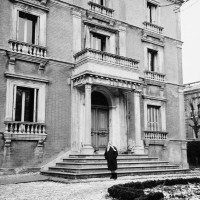
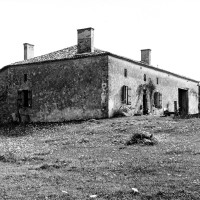
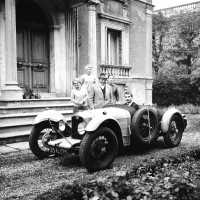
Mme Dumage in Front of the House of the Dumage Family in St. Mandé
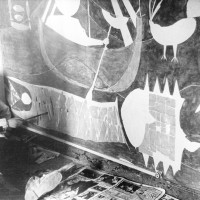
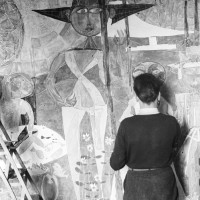
Hundertwasser painting the mural "Paradise"
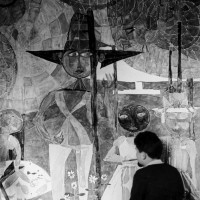
René Brô Painting the Mural 96 Paradise in St. Mandé
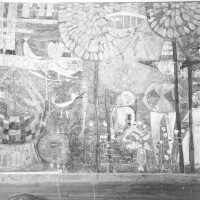
The Mural 96 Paradise in St. Mandé
The Dumage Family in Front of the Mural 96 Paradise
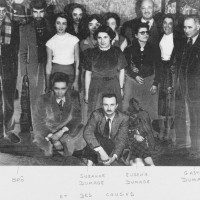
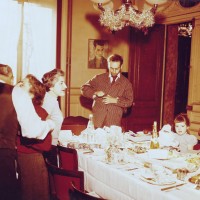
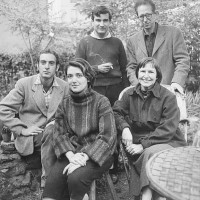
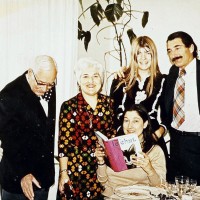
Family Dumage in St. Mandé
René Brô Painting the Mural 96 Paradise in St. Mandé
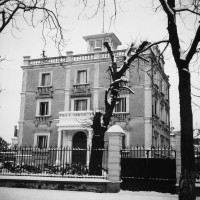
The House of the Dumage Family in St. Mandé
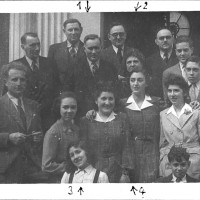
Hundertwasser with the Dumage Family in St. Mandé
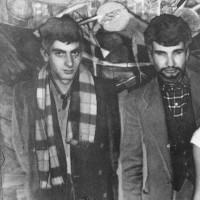
Hundertwasser and René Brô in Front of the Mural in St. Mandé
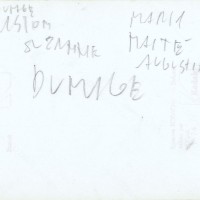
Photo captioning by Hundertwasser of a Dumage family photo
Photograph from the collection of the Dumage family in St. Mandé
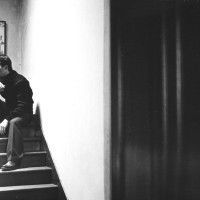
Hundertwasser in St. Mandé
Hundertwasser in St. Mandé
The Dumage Family in St. Mandé
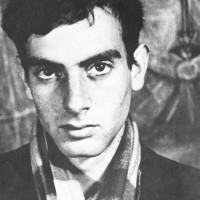
Augustin Dumage
Family Dumage in Front of their House in St. Mandé
Hundertwasser in St. Mandé
1949 - 1979
Hundertwasser lived in St. Mandé near Paris in 1949/1950 as a guest of the Dumage family. Hundertwasser would remain associated with the family throughout his life. The house at 11 Avenue Daumesnil in Saint Mandé was the hunting lodge of the Comtesse Castiglione, whose real name was Virginia Oldoini. She was known as the mistress of the French Emperor Napoleon III, but is also notable as a pioneer of photography. Hundertwasser's room was on the second floor next to that of his friend Augustin Dumage. On the second floor, René Brô and Hundertwasser painted the two murals together 96 Paradise – Land of People, Birds and Ships and 97 The Miraculous Draught When the hunting lodge was demolished in 1964, mural 96 was sawn into small pieces by the Italian painter Riccardo Licata, transported to America in a container at the instigation of Jean Aberbach, and reassembled in a reformed synagogue on Long Island. 97 The Miraculous Draught remained in Hundertwasser's possession, travelled around the world in exhibitions and found its home in the KunstHausWien.